culture
Emerging Filmmakers Transform Canal Saint-Martin Into Creative Hub for French Cinema
The waterway's established film locations continue to shape new creative perspectives in French cinema.
How we reported this
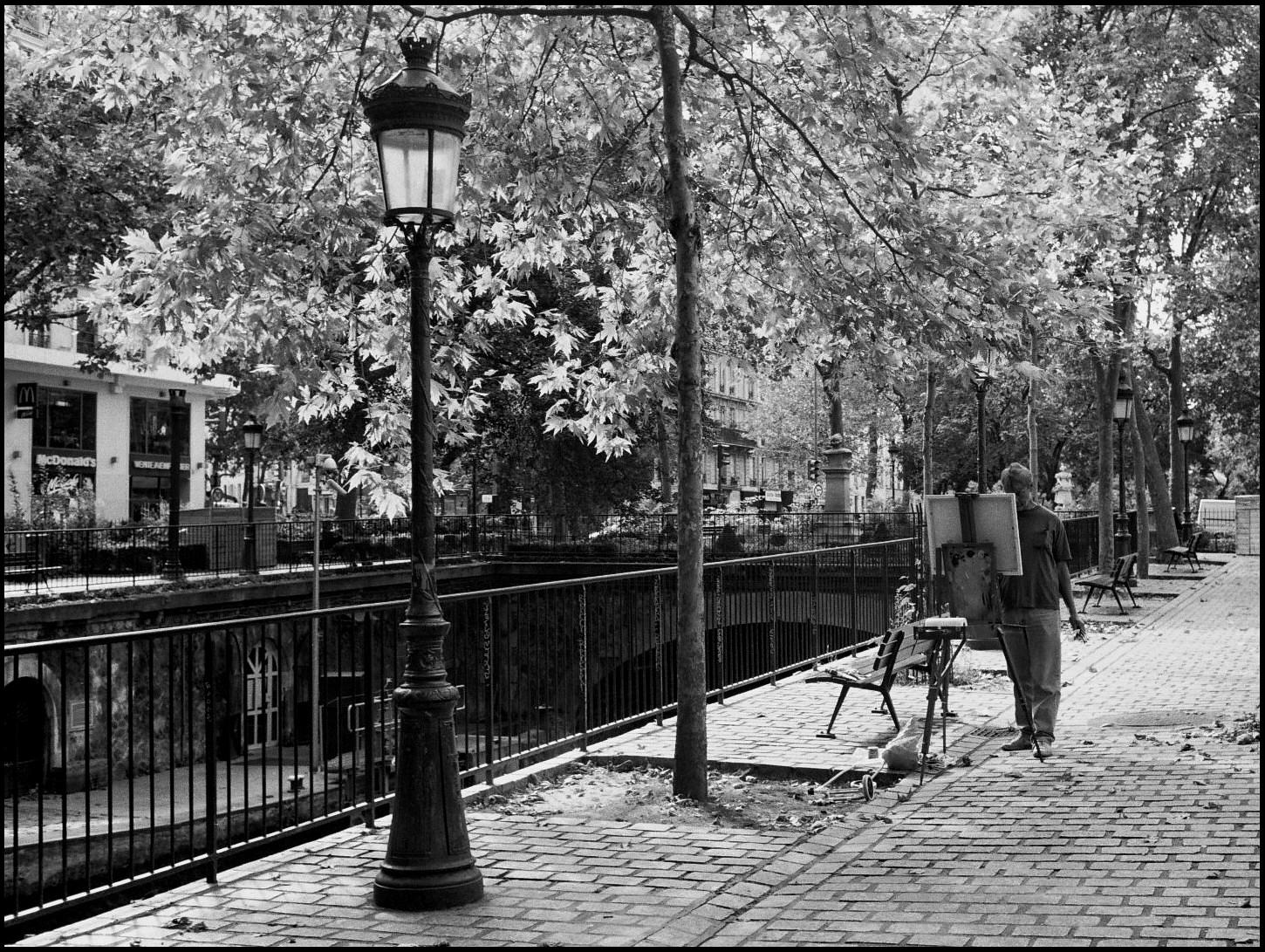
The Canal Saint-Martin, a 4.5-4.6 km waterway in Paris's 10th and 11th arrondissements, has appeared in films such as Amélie (2001) and Hôtel du Nord (1938). These appearances provide concrete reference points for filmmakers exploring urban settings with historic character.
Landmarks Tied to Past Productions
Quai de Valmy holds a plaque marking the exact spot of the stone-skipping scene from Amélie. The canal's iron footbridges, tree-lined quays and historic locks form the same visual elements used in earlier productions. Emerging voices can study these fixed locations to understand how directors have framed everyday movement along the water.
Screening Venues Near the Widened Basin
Near the Bassin de la Villette, where the canal widens, stand the twin Mk2 cinemas. These venues serve as a hub for film lovers in the district and regularly programme works that draw on similar canal-side atmospheres. New directors often reference the surrounding architecture when developing projects that blend interior screenings with exterior canal views.
Open-Air Events During Summer Months
Summer programming includes open-air and rooftop cinema events along the canal and at Parc de la Villette. These gatherings allow audiences to experience films in the same physical setting that has inspired French cinema for decades. The continuity of these events gives emerging talent direct access to viewers in an environment already embedded in cinematic memory.
The combination of preserved landmarks and active screening spaces supplies a working laboratory for new voices. Directors can walk the same quays used in 1938 and 2001 productions while testing contemporary approaches to light, sound and pacing. This direct overlap between historic footage and present-day locations reduces the distance between established references and fresh storytelling experiments.
Visitors seeking to follow the next wave can start at the plaque on Quai de Valmy, continue to the Mk2 cinemas at the Bassin de la Villette, and attend an evening screening at Parc de la Villette when programmes are running. Each site remains publicly accessible and requires no special permission beyond standard canal-side movement. The physical continuity of these places supplies the clearest evidence that the canal's filmic qualities remain available for reinterpretation by new generations of filmmakers.