news
How Transport Challenges Evolved in Canal Saint Martin: The Road to Today
A look back at the factors shaping current traffic and transport issues in Canal Saint Martin.
How we reported this
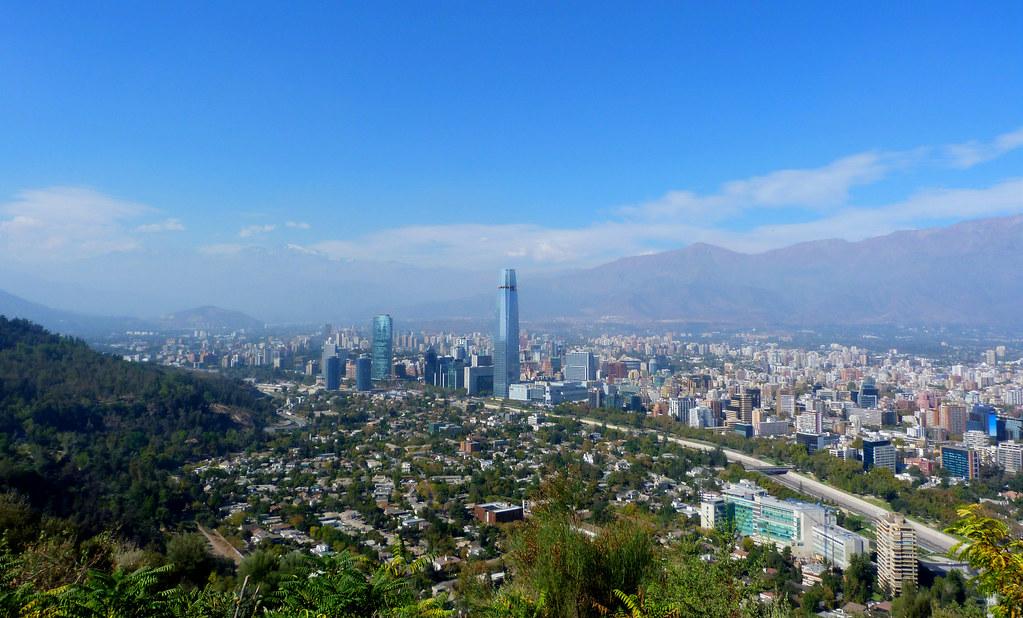
Traffic and transport congestion in Canal Saint Martin have become pressing concerns for residents and local officials alike. The area’s narrow streets and increasing demand for mobility have exposed longstanding challenges in urban planning and infrastructure capacity. Understanding how the neighborhood reached this point is essential to framing future solutions.
A Growing Neighborhood with Legacy Constraints
Canal Saint Martin’s charm lies in its historic layout, but street configurations laid out before the era of mass private car ownership now limit traffic flow. For decades, the area has balanced residential life with an influx of commercial activity and tourism, creating a complex environment for transport management. Recent urban development initiatives have intensified the density, raising the stakes for effective traffic solutions just as demand surges.
The situation matters now as the city seeks to decarbonize mobility patterns and transform public transport offerings, while the practical realities of growing populations put strain on existing roads and public transit capacities. Local programs focused on sustainable transport face the challenge of integrating solutions with the inherited street design and urban fabric.
Local Factors and Community Impact
Key streets like Quai de Jemmapes and Rue Beaurepaire serve as crucial arteries for commuter and commercial traffic. These roads, much like others in the district, were not originally designed for current traffic volumes or modern delivery vehicles. Additionally, the proximity to the canal itself limits options for road widening or significant structural redesign, forcing solutions to work within tight physical constraints.
Community groups in Canal Saint Martin have frequently voiced concerns about increased noise, pedestrian safety, and air quality linked to transportation pressures. Local authorities have attempted to introduce traffic calming plans and promote cycling, but adoption remains uneven partly due to infrastructure limitations.
Evidence of these challenges can be observed qualitatively in the daily experience of residents who report congestion during peak hours along key corridors and frustration with limited transit frequency options. Although this area benefits from access to wider Paris transport networks, last-mile connectivity and street-level traffic remain bottlenecks.
Navigating these issues necessitates engaging with the practical balance between preserving the district’s character and meeting 21st-century transport needs. The path forward likely involves a combination of demand management, improvements to bicycle and pedestrian infrastructure, and enhancements in public transport integration, all adapted carefully to the Canal Saint Martin context.
For locals and commuters, this means staying informed about municipal consultations, upcoming cycling initiatives, and any road use changes proposed by city planners. While there is no quick fix, understanding the backdrop helps clarify the scope of transport challenges in Canal Saint Martin and underscores the importance of collaborative urban solutions.