news
Canal Saint-Martin’s Revamp Targets Cleaner, Safer Urban Living for Residents
A €15 million upgrade will add extensive pedestrian and cyclist space, reshaping daily life and community interaction in the Canal Saint-Martin area by 2026.
How we reported this
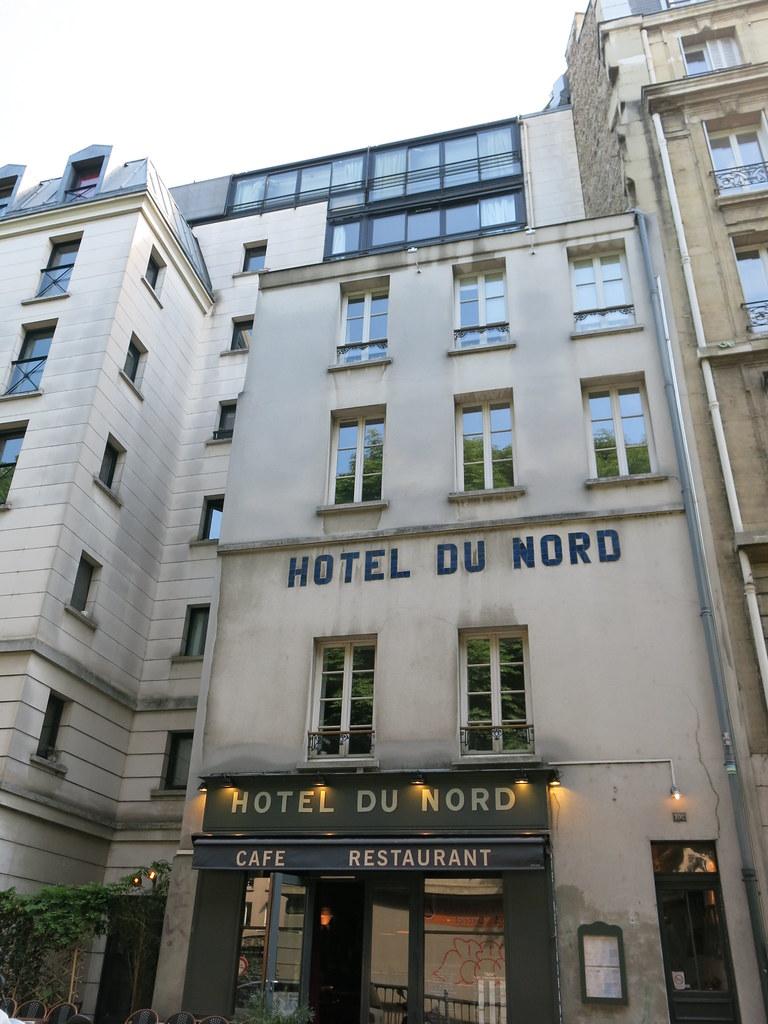
The Canal Saint-Martin neighborhood is set to undergo significant transformation with a €15 million redevelopment project aimed at improving infrastructure for pedestrians and cyclists. Scheduled for completion by 2026, the upgrade will introduce 3.4 kilometers of new bicycle lanes and plant 52 trees, enhancing both mobility and green space within the community[5].
Why the Infrastructure Upgrade Matters Now
As Paris continues solidifying its position as a global startup hub-ranking 4th worldwide ahead of cities like Boston due to a 5.3-fold surge in its startup valuations to €255 billion between 2017 and 2024[4]-the city’s urban neighborhoods need to keep pace with evolving mobility and environmental demands. Canal Saint-Martin’s redevelopment arrives at a time when increasing the quality of life for residents is critical to sustaining the area's appeal amid rising urban activity and population density. Pedestrian and cyclist-friendly infrastructure encourages environmentally sustainable transit, reduces traffic congestion, and promotes healthier lifestyles.
Furthermore, this project dovetails with the city’s broader ambitions to accommodate a tech-savvy workforce and vibrant startup ecosystem, particularly with many businesses around Paris focusing heavily on AI and innovation[4]. Improved accessibility and public spaces foster a sense of community, creativity, and wellbeing among residents and workers alike.
Local Transformations: Streets and Green Spaces
The €15 million investment covers multiple improvements including 3.4 kilometers of dedicated bicycle facilities. This will directly impact daily commutes and leisure activities for Canal Saint-Martin residents, providing safer and more extensive options for cycling through the neighborhood. Additionally, the planting of 52 new trees is expected to contribute to improved air quality and shade, softening the urban environment against heat while enhancing aesthetics.
Although primarily an infrastructure project rather than one focused on startups or digital innovation, these physical upgrades complement Paris’s fast-growing technology clusters. Station F, hosting over 1,000 startups and 600 investment funds from 65 countries, illustrates the high concentration of innovation nearby, with 70% of startups there concentrating on artificial intelligence that commands over €1 billion annually in fundraising since 2021[4]. While this project focuses on streets and green spaces, it provides foundational urban improvements critical for retaining a competitive edge in attracting talent and fostering a vibrant local community.
Backing the Streets: Investment and Evidence
The €15 million committed to Canal Saint-Martin’s redevelopment signals a focused dedication by city authorities to apply meaningful resources toward enhancing urban infrastructure. By setting a clear 2026 deadline, the project lays out a tangible, near-term goal to improve mobility and environment concurrently.
Comparable investments in Paris’s tech ecosystem meanwhile highlight the city’s rapidly evolving role in innovation. Tech companies in the Paris region attracted €3.8 billion in funding in 2024, where 35% was specifically allocated to artificial intelligence-related projects[4]. Though the Canal Saint-Martin initiative targets physical infrastructure, the ripple effects from improved urban accessibility and environment will support this ecosystem indirectly, enabling smoother commutes, encouraging local engagement, and boosting quality of life.
What Residents Can Expect Next
Residents can look forward to safer, greener routes for walking and cycling throughout the community over the next three years. These changes are designed to reduce reliance on cars and build a more connected neighborhood. As the project progresses, local authorities will likely communicate updates on construction phases and new traffic patterns to ensure residents can adapt efficiently.
In the meantime, the infusion of new trees and bike lanes suggests a commitment to long-term livability, signaling that Canal Saint-Martin is preparing for increasing urban pressures by investing in infrastructure that supports health, environment, and community cohesion close to home.