news
Paris Transforms Historic Canal Saint-Martin Ahead of Bicentenary Celebration
Paris prepares the historic Canal Saint-Martin for its bicentenary with a transformative infrastructure project balancing heritage, mobility, and greenery.
How we reported this
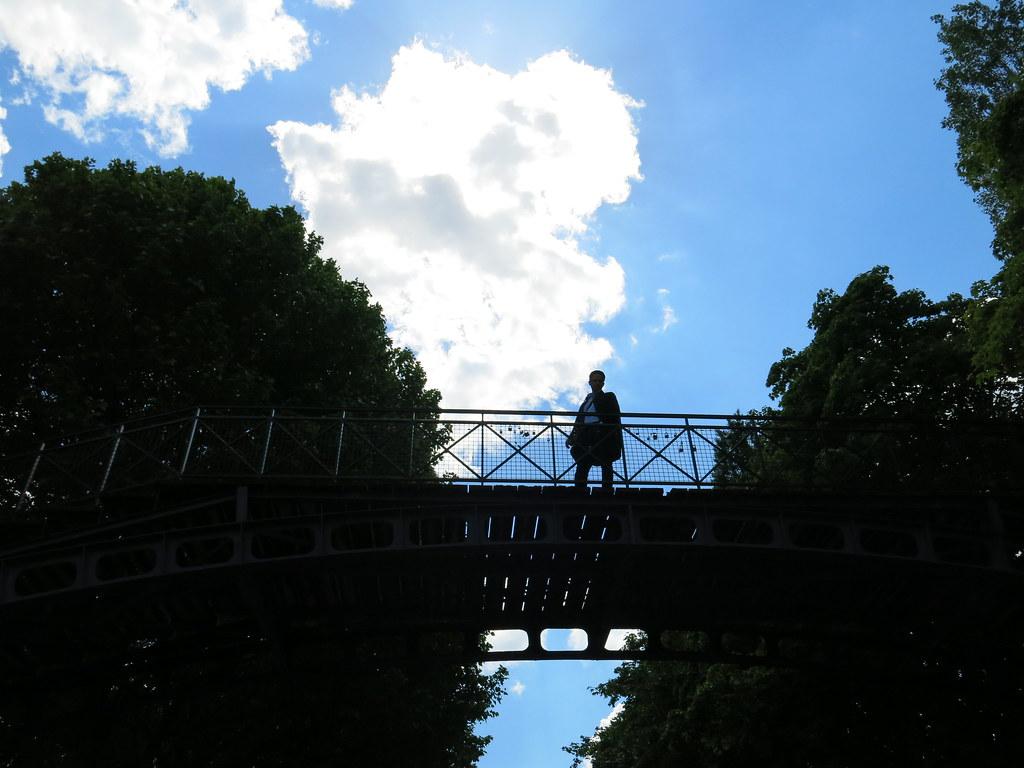
Paris is advancing a comprehensive two-year redevelopment of Canal Saint-Martin, a historic waterway and urban artery spanning 4.6 kilometres through the 10th, 11th, and 19th arrondissements. Slated for completion by early 2026, the project aims to dramatically improve mobility and pedestrian experience ahead of the canal’s 200th anniversary in 2025. The redevelopment-balancing cycling infrastructure, pedestrian space, and landscaping-addresses historic preservation alongside modern urban needs, offering a thoughtful example among global cities tackling infrastructure renewal of historic urban areas.
Why This Project Matters Now
The Canal Saint-Martin, inaugurated in 1825 under Napoleon I to supply fresh water and facilitate goods transportation, is a registered French Historical Monument since 1993. It holds significant cultural heritage for Paris and has transformed into a cherished mixed-use neighbourhood hub. Yet the 21st century demands a reimagining of its urban fabric to better serve sustainable transportation and inclusive public space needs.
With increasing Parisian adoption of cycling and pedestrian-friendly policies, the project fits an ongoing citywide mobility transformation. It also aligns with a broader global trend prioritising resilient, human-focused urban designs over car dominance. The new infrastructure will also reaffirm Canal Saint-Martin’s role as a community connector among the densely populated arrondissement areas it traverses.
Integrating Local Heritage and Modern Mobility
The multifaceted redevelopment includes a mobility component that bans most motorised vehicles except for local delivery, emergency, and service vehicles. This move reflects Paris’ ambition to reduce car dependence and air pollution, making the Canal’s surroundings safer and more welcoming. The project adds 3.4 km of cycling infrastructure with two dedicated 'vélo-rues' or bike streets enhancing safe, continuous routes. Complementing this are 147 new bike parking spots to encourage cycling across the Canal Saint-Martin neighbourhood.
Beyond mobility, the landscaping work emphasizes pedestrian comfort and biodiversity. A generous 10,400 m² area will be reserved exclusively for pedestrians, significantly improving walkability. Notably, 18 new pedestrian crossings and two pedestrian bridges will enhance connectivity across the canal’s banks. The initiative also includes planting 52 new trees and adding 10 biodiversity shelters, fostering urban wildlife and ecological diversity. Fifty new benches will create inviting rest spots, enriching the day-to-day experience for residents and visitors alike.
These enhancements position Canal Saint-Martin as a distinct case reflecting Paris’ dual commitment to environmental sustainability and cultural heritage protection amid urban upgrades-comparable to other world cities modernising historic waterfronts with green infrastructure and multimodal transport corridors.
Evidence of a Strategic, Phased Approach
The project’s construction phases underscore its strategic pacing and attention to urban rhythms. Phase 1 focused on mobility improvements ran from February to June 2024, laying foundational cycling and vehicle restrictions. Subsequently, Phase 2 has spanned from October 2024 through February 2026, integrating further mobility elements with comprehensive landscaping works. Notably, this timeframe extends beyond major local events such as the Paris Olympics, ensuring uninterrupted urban flow and quality.
This phased and layered deployment aligns with best practices in urban infrastructure projects globally, balancing timely delivery with minimising disruption to neighbourhood life and tourism flows. It also allows incorporation of evolving environmental and community feedback, an approach recommended for similarly scaled redevelopment efforts worldwide.
Looking Ahead: Setting a Model for Urban Infrastructure Redevelopment
As Canal Saint-Martin’s transformation approaches completion in early 2026, it will offer an improved urban fabric that melds heritage respect with contemporary mobility needs. Its comprehensive, inclusive design provides practical lessons for cities managing ageing infrastructure amid increasing demands for sustainability and liveability.
Near the nearby Station F startup campus in the 10th arrondissement, the revitalised canal corridor is expected to further stimulate local economic vibrancy, attracting residents and visitors to this historically rich yet forward-looking Paris neighbourhood. Meanwhile, the new cycling and pedestrian infrastructure is likely to encourage healthier, cleaner urban transport options.
Residents and visitors should anticipate smoother, safer journeys along the Canal Saint-Martin and a more appealing public realm inviting social and recreational activity. This redevelopment highlights Paris’ commitment to fostering accessible, dynamic spaces that honour their historic context while embracing innovation-demonstrating how a major global city can effectively manage infrastructure renewal in the heart of a living urban heritage site.
Sources Include (But not Limited to): Sortir à Paris, Sortir à Paris (Spanish), Le Nouvel Économiste, Actu.fr, Le Bonbon.
References Sourced but Not Limited to:
- sortiraparis.com · 305046 paris the canal saint martin soon to undergo construction work
- sortiraparis.com · 305046 paris el canal saint martin pronto sera objeto de obras
- lenouveleconomiste.fr · La metamorphose du canal saint martin 108641
- actu.fr · Paris decouvrez a quoi ressemblera le canal saint martin en 2026...
- lebonbon.fr · Canal saint martin va faire peau neuve 2026
- sortiraparis.com · 305046 paris le canal saint martin prochainement en travaux
- travelfranceonline.com · Canal saint martins history
- parisplusplus.com · Discover the canal saint martin neighbourhood in paris
- en.wikipedia.org · Canal Saint Martin
- en.arcep.fr · Maps data
- scmp.com · Tech