news
Gentrification Pressures Test Canal Saint-Martin's Mixed Community
Rising rents and shifting demographics affect longtime residents alongside newer arrivals in the 10th and 11th arrondissements.
How we reported this
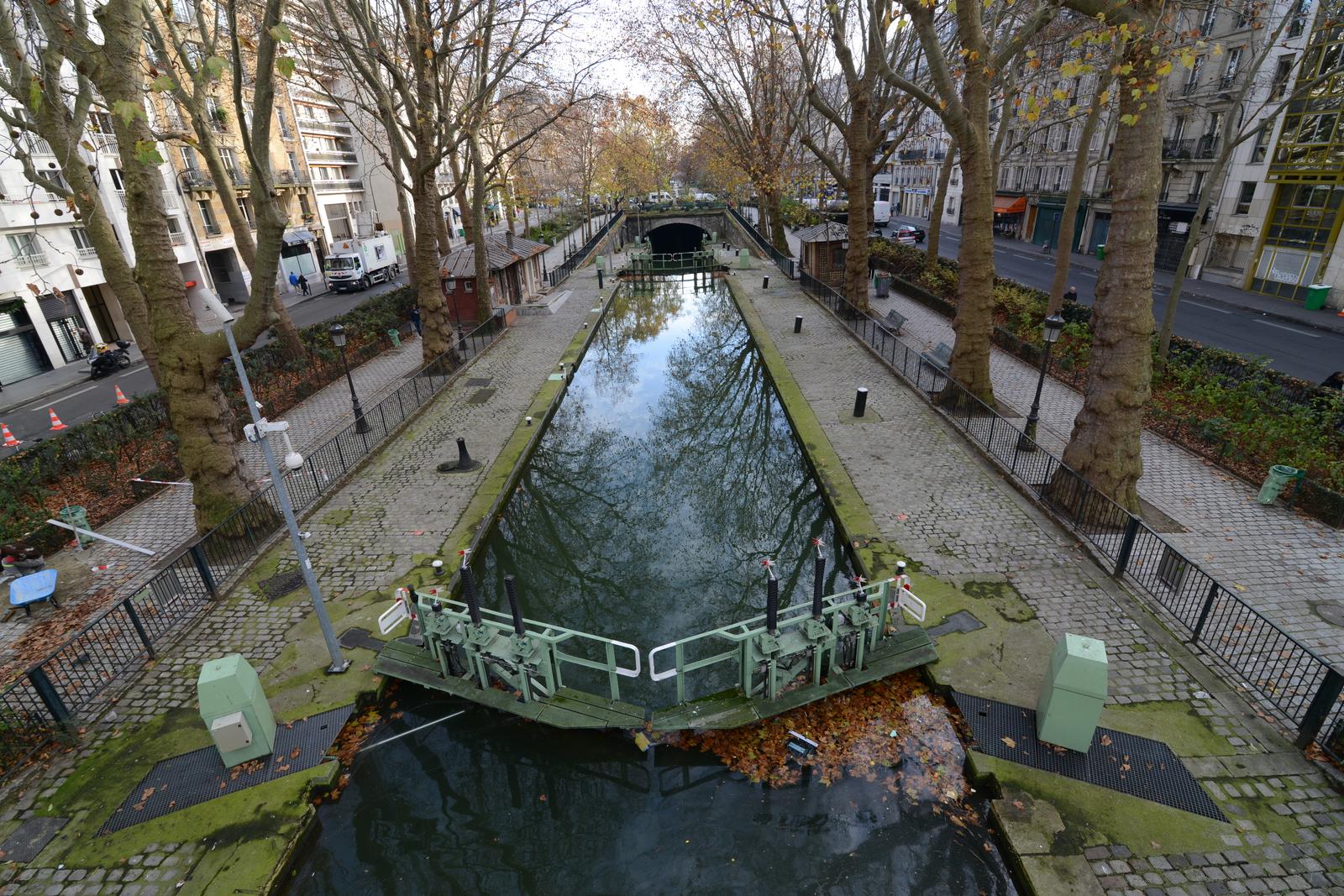
Significant gentrification has occurred in Canal Saint-Martin, with rising rents pushing out long-time residents who originally defined the area's unique character. The 4.6 km residential neighborhood spans Paris's 10th and 11th arrondissements, where hipsters, longtime residents, immigrant communities, and artists have long coexisted.
Why the changes matter for daily life
The neighborhood's identity as a functional urban space rather than a tourist site depends on that mix remaining intact. Waterside leisure paths and well-connected metro access at stations like République continue to draw foot traffic that keeps the area lively and considered safe by residents. When rents climb, the people who shaped the bobo character and community spirit risk displacement, altering the balance that makes the canal a place where locals actually live and work.
Completed in 1825 under Napoleon I, the 4.5-kilometer waterway once served industrial transport and fresh-water supply before local activists blocked a 1960s highway plan. Designation as an Historic Monument of France in 1993 preserved the nine locks and two swing bridges. After the 2001 film Amélie spotlighted the area, independent boutiques, shabby-chic bars, and a vibrant dining scene took hold along the canal spine from République to Jacques-Bonsergent metro stations.
Named spots that anchor the community
Venues such as Du Pain et des Idées bakery, Holybelly 5 for brunch, and Chez Prune with its purple awning and waterside terrace operate as social meeting points. The Marché Couvert Saint-Martin, dating to 1859, supplies food for picnics on cobblestoned sidewalks. Newer additions like Early June with its rotating-chef natural-wine menu and Ima Cantine for vegetarian fare reflect the evolving low-formality vibe that attracts both locals of all ages and visitors.
These establishments sit within a welcoming community spirit that blends bourgeois-bohemian energy with immigrant and artist presence. Constant foot traffic from lines 3, 5, and 7 supports the neighborhood's role as a practical residential quarter rather than a preserved exhibit.
Residents navigating higher costs may turn to the covered market stalls or waterside terraces for affordable gatherings that sustain daily connections. The area's well-connected location keeps options open for those who remain, even as the mix of users continues to shift.