property
Le Marais Renters Abandon 30% Rule As Housing Costs Soar Beyond Benchmark
The old benchmark says spending a third of your income on housing is the limit, but in Le Marais, that number stopped making sense years ago.
How we reported this
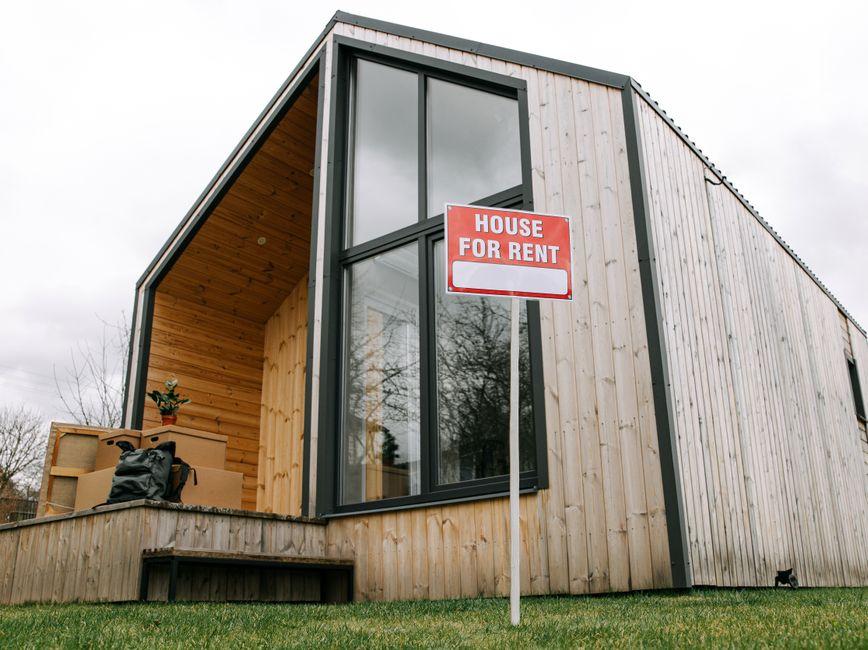
A studio on Rue de Bretagne is currently listed at €1,650 per month. To rent it without breaching the classic 30% affordability threshold, a tenant would need a net monthly income of at least €5,500, roughly double the French median wage. That gap is the story of Le Marais in 2026, and it is getting harder to ignore.
The 30% rule, the idea that housing costs should consume no more than three-tenths of gross income, has been the standard yardstick for French social landlords, mortgage lenders and financial advisers since at least the 1980s. It still underpins eligibility calculations for the CAF housing benefit, the Caisse d'Allocations Familiales, which reviews thresholds annually. But in one of Paris's most sought-after arrondissements, the rule has become less a guideline and more a mathematical impossibility for the vast majority of working renters.
The Numbers on the Ground
Average asking rents in the 3rd and 4th arrondissements, Le Marais proper, now sit between €28 and €36 per square metre per month, according to data compiled by the Observatoire des Loyers de l'Agglomération Parisienne (OLAP) for the first quarter of 2026. A 40-square-metre flat, modest by any measure, therefore costs between €1,120 and €1,440 before charges. Paris's Encadrement des Loyers regime, the rent-cap framework tightened under the 2024 revision of the Loi ALUR, sets a reference rent of €26.90 per square metre for a furnished studio in this zone, yet landlords routinely apply the permitted 20% supplement, pushing legal maximums to around €32 per square metre. Enforcement, carried out through the DRIHL Île-de-France, remains patchy.
The median net salary in Paris sits at approximately €2,450 per month, per INSEE figures published in March 2026. Run that through the 30% rule and you get a housing budget of €735, enough for a room in a colocation on Rue du Temple, not a self-contained flat. For a couple on two median salaries, the ceiling rises to €1,470, which covers most one-bedroom options in the neighbourhood but leaves almost nothing for savings or unexpected costs. A single earner on the SMIC, the national minimum wage raised to €1,426 net in January 2026, has a 30% housing budget of just €428.
Ownership looks different on paper. With a 20% deposit, a buyer purchasing a 40-square-metre flat near Place des Vosges at the current average price of €12,400 per square metre would need €99,200 upfront and would carry a mortgage of roughly €397,000 over 20 years. At current Crédit Agricole and BNP Paribas fixed rates of around 3.6%, monthly repayments land near €2,320, actually closer to the 30% threshold for a dual-income household, though the deposit requirement remains a near-insurmountable barrier for most.
What Renters Can Actually Do
Agencies along the Rue des Francs-Bourgeois report that demand has shifted noticeably toward colocation arrangements and short-term furnished leases since early 2025, partly because the Airbnb regulatory crackdown has returned some stock to the long-term market, but also because individual renters simply cannot meet landlord income requirements, which typically demand proof of earnings at three times the monthly rent. That means a landlord renting at €1,500 per month requires documented income of €4,500, a bar many professionals in their twenties and early thirties cannot clear alone.
The ADIL 75, the Paris housing advice service based on Boulevard Voltaire, offers free consultations on rent-cap rights, deposit disputes and eligibility for the MoPro guarantee scheme, which can substitute for a high-income guarantor. Renters who suspect their landlord is charging above the legal reference rent can file a formal complaint through the DRIHL within three years of signing their lease.
For those weighing whether to keep renting or attempt to buy, the honest calculation in Le Marais comes down to one question: do you have access to family capital? Without it, the 30% rule is not a ceiling you are likely to come anywhere near. It is a number that describes a different city.
This article is general information only and is not personal financial or investment advice. Consider your own circumstances and seek licensed professional advice before making financial decisions.