community
Visit Le Marais Every Season: Your 12-Month Paris Guide
From the summer rush of Paris Plages and Pride to quiet autumn Heritage Days and winter sales, here’s your month-by-month plan for exploring the Marais in 2026.
How we reported this
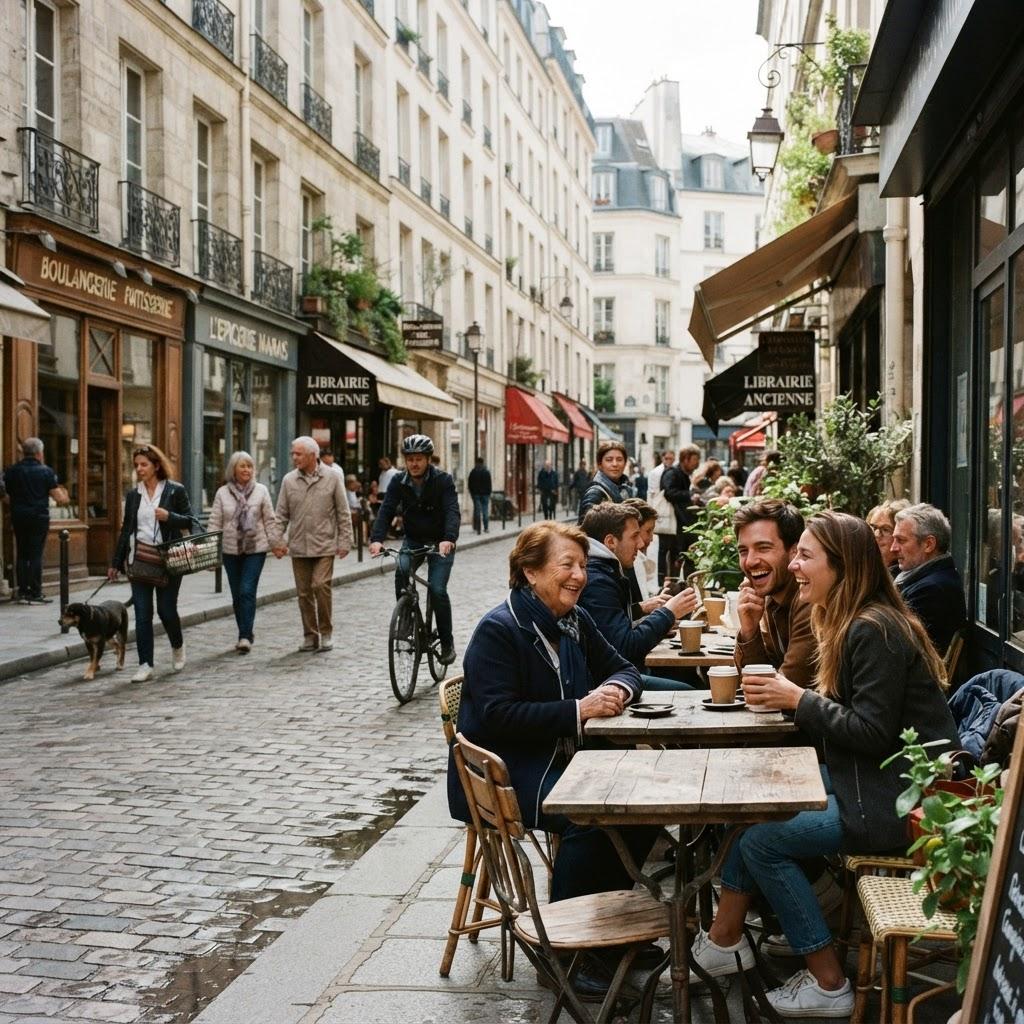
It’s mid-July 2026, and Le Marais is in peak season. The district’s narrow medieval lanes are packed with tourists and locals alike, drawn by open-air events, extended café terraces, and the final weeks of Paris Plages along the Seine. For anyone planning a visit between now and year’s end, timing can make the difference between a chaotic slog and a relaxed stroll through one of the city’s most historic neighborhoods.
Le Marais offers distinct seasonal draws, according to city tourism materials. Summer, June through August, is the high season, with the Fête de la Musique on June 21 and the LGBTQ+ Pride Parade (Marche de Fiertés) as anchor events. But August comes with a catch: many boutique owners shut shop for their own holidays, leaving some of the best streets quieter than usual.
Summer Peak vs. Shoulder-Season Serenity
If you’re here now, in mid-July, you’ll find a neighborhood buzzing with energy. The Marché des Enfants Rouges, Paris’s oldest covered market, dating to 1615, is open year-round for produce and street food, according to local guides. Shoppers can browse Rue des Francs-Bourgeois and Rue Vieille-du-Temple from 10 AM to 7 PM, with many stores also open on Sundays. For falafel, Rue des Rosiers remains the anchor of the Jewish quarter.
But the crowds can test patience. Weekday mornings offer the most relaxed atmosphere to explore the Picasso Museum and Musée Carnavalet, both typically open 10 AM-6 PM and closed Mondays. La Nuit Blanche, the contemporary art festival that transforms the city in early October, draws huge crowds but rewards early arrivers. Les Nocturnes du Marais, a series of nighttime museum openings, runs through the summer for those seeking cooler evening hours.
Autumn and Winter: Heritage Days and Holiday Markets
Autumn brings fewer crowds and a standout civic event. The Journées du Patrimoine, or European Heritage Days, open dozens of normally private buildings across the Marais, including hôtels particuliers and hidden courtyards, for one weekend in September. Spring and early autumn also provide the mildest weather for walks at Place des Vosges, Paris’s oldest planned square, or for lingering on café terraces without the summer crush.
Winter shifts the focus indoors and to the streets. Christmas markets set up in the district, and festive window displays along Rue des Francs-Bourgeois draw evening strollers. January brings the soldes, France’s twice-yearly national sales, making it prime time for fashion shopping on the Marais’s signature shopping streets. Most museums remain open through the holidays, though visitors should check for reduced hours around Christmas and New Year’s.
For travelers who want to avoid peak-season prices and queues, the window from early September to mid-October is ideal. Hotel rates fall after the August exodus, and the weather holds warm enough for outdoor meals. The key is to book early for Heritage Days weekends and to plan around Monday closures at most museums.
No matter the season, Le Marais delivers what it promises: a walkable slice of old Paris with enough food, art, and shopping to fill a long weekend. The trick is knowing when to go, and when to avoid the worst of the crowds.