community
Montmartre's Nightlife Splits Between Historic Cabarets and Modern Cocktail Bars
From Pigalle’s transformed dance floors to Au Lapin Agile’s historic songs, the neighbourhood’s nightlife still runs on two very different currents.
Listen in English · 4 min
How we reported this
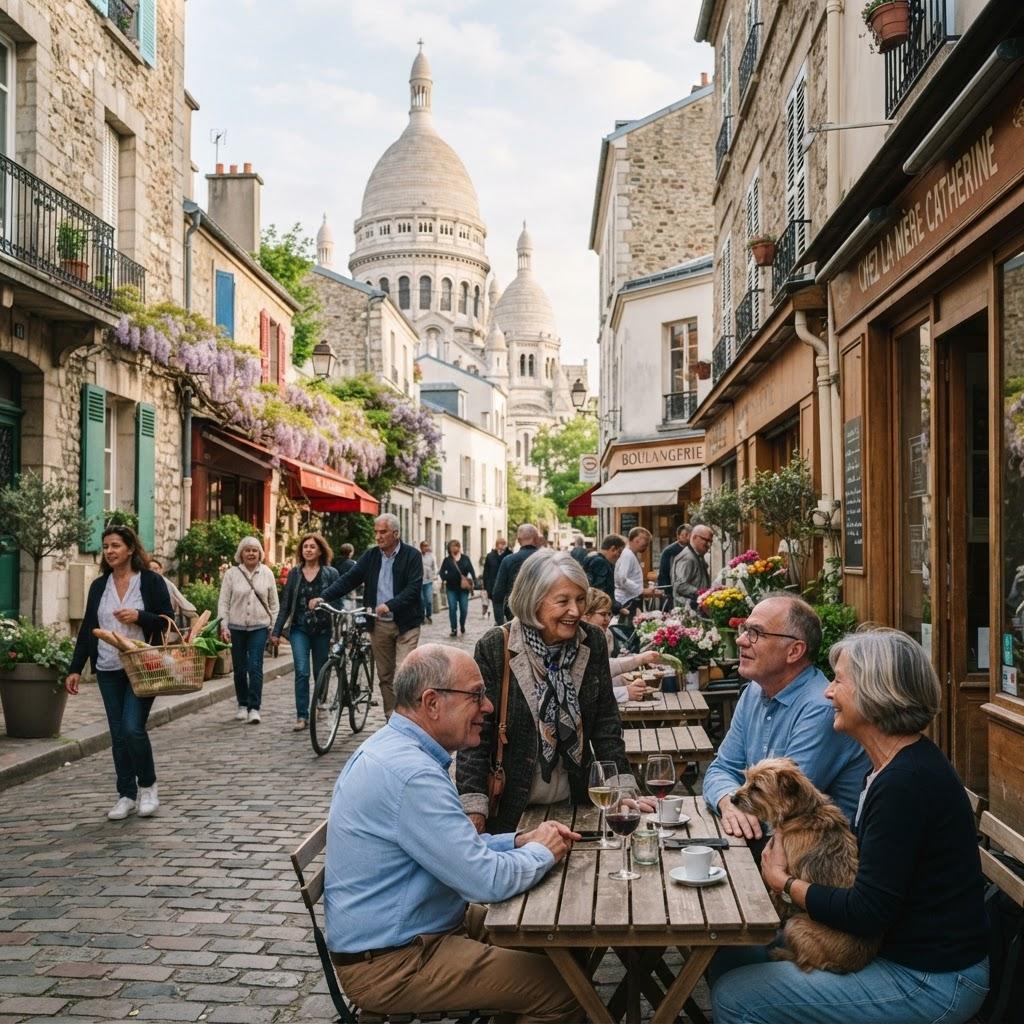
Montmartre’s nightlife has always had two faces, and on a July night in 2026 both are out in force. Up on the hilltop, the bohemian cabarets, Au Lapin Agile, Le Cave café, draw crowds for vaulted-cellar concerts and spoken word. Down in Pigalle, the former red-light district, the vibe shifts to cocktail bars and dance clubs that have turned a once-dodgy strip into a trendy nightlife hub. The split is documented in travel guides and local recommendations alike, with Fodor’s and other outlets noting that the contrast between the historic, artist-focused cabarets and Pigalle’s vibrant cocktail-and-dance scene remains the defining feature of Montmartre after dark [1][2][8].
The division matters more now than it has in years. Overtourism, especially after the Olympics, has reshaped the retail streets around the Sacré-Cœur, pushing out butchers, bakers and grocers in favour of souvenir stalls and bubble-tea shops [6][9]. But the nightlife economy, less visible, more resilient, has held a different course. The foot-of-the-hill strip anchored by the Moulin Rouge, which opened in 1889, retains its status as a central landmark in what is still Paris’s historic cabaret and nightclub district [1][12][14]. Pigalle draws emerging artists and late-night crowds to spots like Dirty Dick and Le Sancerre, venues regularly cited in travel forums and local guides as evidence of the area’s ongoing reinvention [1][4][8].
Hidden Bars and Late-Night Spots
For visitors who prefer their drinks in relative quiet, Montmartre offers a handful of upscale, tucked-away addresses. Le Tres Particulier, a piano-bar inside the Hotel Particulier Montmartre, operates as a hidden lounge in a private mansion, while Café la Fourmi, a spacious bar-café, stays open until 2 a.m. on most nights and pushes to 4 a.m. on weekends [1][2]. Neither is new, but both have stayed steady in a neighbourhood where turnover claims many retail fronts.
The live-music scene clusters mainly on the hilltop. Au Lapin Agile has been hosting chanson and performance since the late 19th century; Le Cave café, with its vaulted cellar, programmes concerts and spoken-word evenings that keep Montmartre’s artist-focused legacy alive [2][3]. Plumguide, a travel site, notes that these venues maintain the area’s reputation as a place where performance is central, not incidental, to the night out [2][3].
A Neighbourhood Still in Play
The shifting ground between tourist trinkets and local life doesn’t stop at the retail windows. The nightlife scene in Montmartre fundamentally depends on that tension. Pigalle’s transformation, from a street known for sex shops to a spot for natural wine bars and dance floors, shows how the foot of the hill has absorbed change faster than the top. Residents fighting the “Disneyfication” of their neighbourhood have watched essential shops vanish, but the after-dark economy has adapted without losing its character, at least for now [6][9].
For anyone heading to Montmartre for a night out, the practical advice is simple and local: pick your level. The hilltop cabarets lean historic, intimate and seat-limited; arrive early or reserve. Lower Pigalle rewards wandering, Dirty Dick and Le Sancerre come recommended by frequent visitors [1][4][8]. The Moulin Rouge still draws the biggest crowds, but smaller venues have stayed open through the post-Olympic shake-up. On either side of the hill, the music and the cocktails are still running on Montmartre’s own schedule.