wellness
Wired and Exhausted: Why Bastille Residents Are Sleeping Worse, and What Actually Helps
From doom-scrolling to financial anxiety, a perfect storm of modern pressures is gutting the city's sleep, but local experts and a growing wellness movement are pushing back.
Listen in English · 5 min
How we reported this
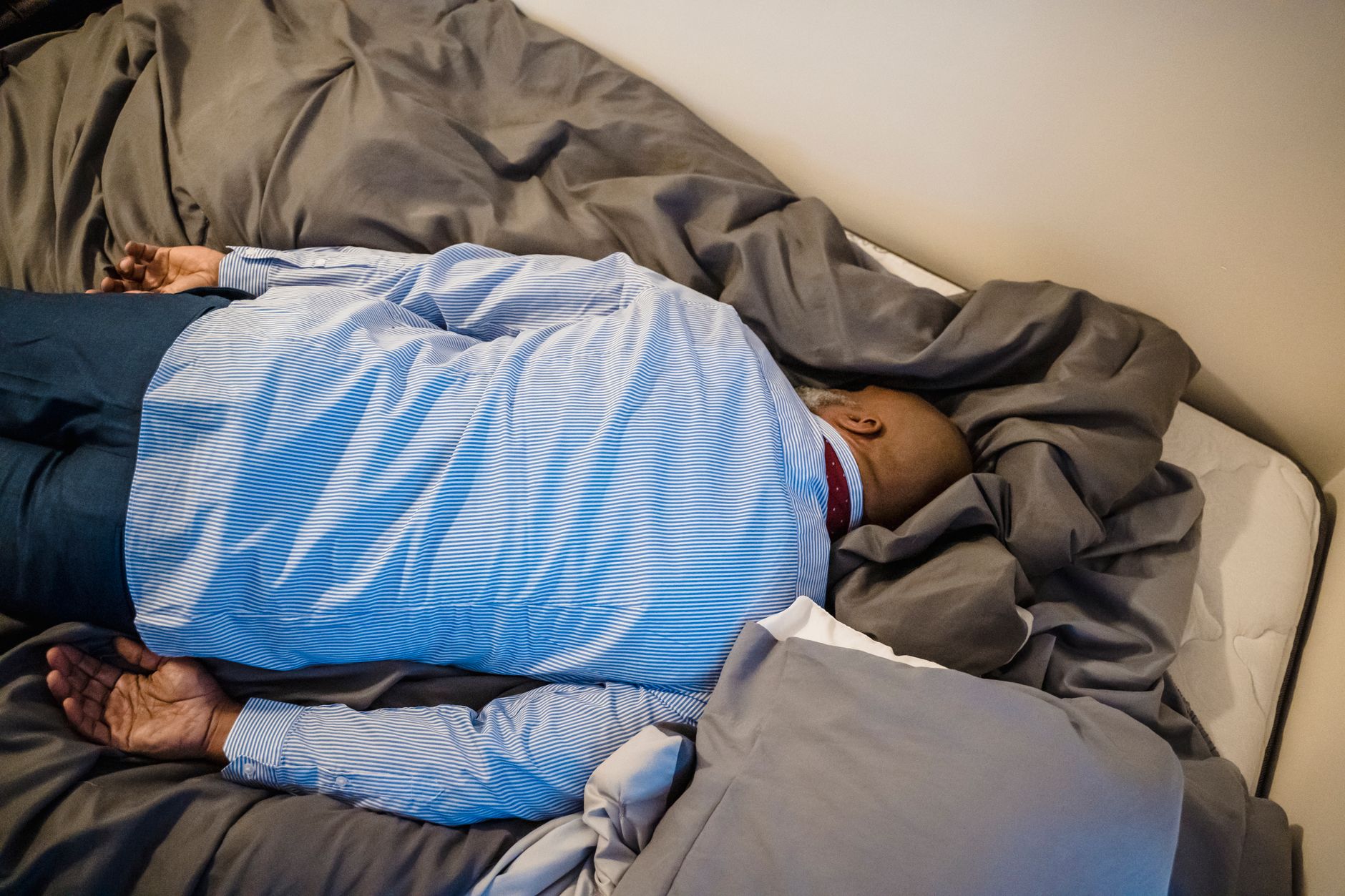
Bastille's residents are tired. Not the good kind of tired that follows a long run along the Canal Saint-Martin or a crowded Saturday evening at Marché d'Aligre, the kind that signals a life well-lived. This is the gritty, persistent exhaustion of people who lie awake at 2 a.m. cycling through mortgage worries, work regrets, and the blue glow of a phone screen. Sleep specialists now describe what's happening across urban neighbourhoods like the 11th arrondissement as a compounding crisis, built from financial stress, technology overuse, and a wholesale collapse of the routines that once anchored the body clock.
Hormone researchers and sleep physicians have separately flagged that cortisol levels, the body's primary stress hormone, remain elevated in people carrying housing and economic uncertainty, and elevated cortisol is one of the most reliable predictors of disrupted sleep architecture, specifically the loss of slow-wave deep sleep that does the real repair work.
The Numbers Are Not Reassuring
The World Health Organization classifies insufficient sleep, defined as fewer than seven hours a night for adults, as a public health epidemic affecting two-thirds of people in developed nations. Screens are a central villain, though perhaps not in the way most people assume. The issue isn't only the blue-light suppression of melatonin, real, but overstated, it's the content. Doomscrolling activates the threat-detection system in the amygdala, keeping the brain in a vigilance state incompatible with the descent into sleep. Checking work email at 10:30 p.m. sends a signal to the prefrontal cortex that the working day is not over. The body takes that seriously.
In Bastille specifically, the overlap of a dense café culture, late dining norms, and a creative-industry workforce that prizes late-night productivity has created a neighbourhood profile that runs structurally sleep-deprived. A coffee at a local café at 8 p.m. is social ritual. Physiologically, it is also roughly 200 milligrams of caffeine hitting a system that needs to begin its melatonin ramp within two hours.
What the Local Wellness Community Is Doing About It
The response from Bastille's wellness infrastructure has been practical rather than evangelical. Across the neighbourhood, integrative health clinics have reported increases in consultations citing sleep as a primary concern, with clinicians increasingly recommending cognitive behavioural therapy for insomnia, known as CBT-I, over pharmacological intervention. CBT-I has the strongest evidence base of any non-drug treatment for chronic insomnia, with remission rates around 70 to 80 percent in clinical trials.
The practical advice converging from these practitioners lands in familiar but often ignored territory: fix your wake time first, not your bedtime; get ten minutes of outdoor light before 9 a.m., even under cloud cover; cut caffeine after 1 p.m.; and treat the bedroom as a single-purpose room. None of it is expensive. Most of it requires only friction, the deliberate kind that slows down a life running too fast to rest properly. Bastille has always known how to move. The harder skill, right now, is learning to stop. Anyone experiencing persistent sleep difficulties should speak with a local GP or specialist before beginning any treatment programme.