wellness
Inside the Latin Quarter's Sleep Clinics: What a Sleep Study Actually Involves and Where to Find One
As hormone research and burnout culture reshape how we think about rest, local sleep specialists say demand for formal sleep assessments in the Latin Quarter has never been higher.
Listen in English · 5 min
How we reported this
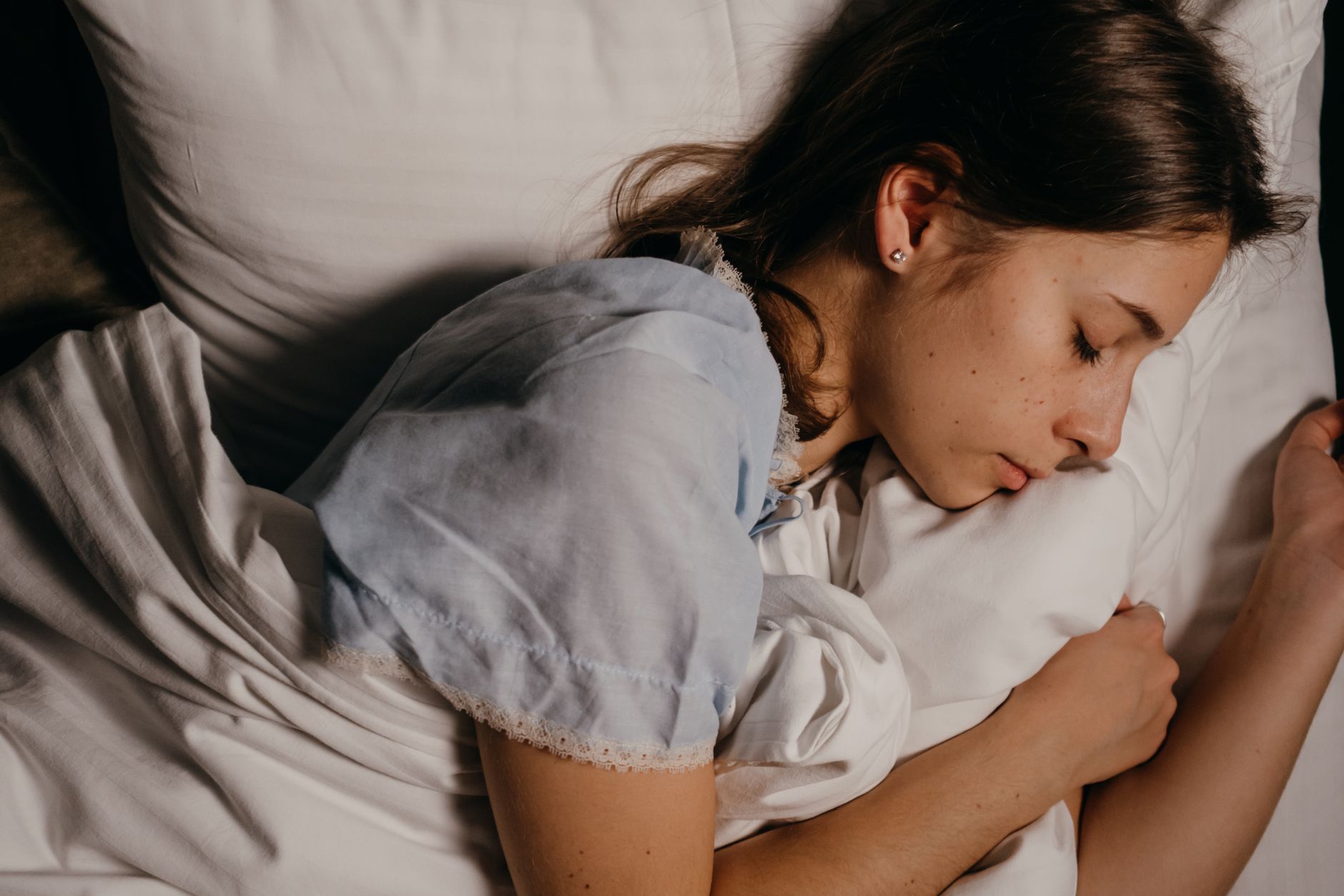
Waitlists at two of the Latin Quarter's principal sleep medicine centres stretched past six weeks by the end of June 2026, a signal that the neighbourhood's famously active wellness culture has turned its attention from yoga mats and cold-press juice to something more fundamental: the hours spent unconscious. Specialists at the Rue Mouffetard Sleep and Respiratory Clinic and the Centre du Sommeil on Boulevard Saint-Germain both confirmed that new patient inquiries jumped roughly 30 percent in the first half of this year compared to the same period in 2025.
The timing makes sense. A wave of renewed public interest in hormones, testosterone, melatonin, cortisol, has pushed sleep from a lifestyle footnote to a clinical priority. Endocrinologists and GPs alike are increasingly treating poor sleep not as a bad habit but as a diagnosable condition that sits upstream of metabolic, cardiovascular and mental health problems. For Latin Quarter residents who cycle to work along the Quai de la Tournelle and track their steps on their lunch breaks, the idea that their 5:45 a.m. alarm might actually be harming them lands with particular force.
What a Sleep Study Involves
A polysomnography, the gold-standard overnight sleep study, records brain activity, eye movement, blood oxygen levels, heart rate and limb movement simultaneously across a full night. At the Centre du Sommeil on Boulevard Saint-Germain, the process begins with a 45-minute intake appointment where a clinician scores patients on the Epworth Sleepiness Scale and administers an Insomnia Severity Index questionnaire. Scores above 15 on the ISI typically trigger a referral for full in-lab polysomnography, which runs between €280 and €380 out of pocket depending on the extent of analysis required, though social security reimbursement covers a significant portion for patients with a valid GP referral.
Home sleep testing is a cheaper and faster alternative for patients whose symptoms point specifically toward obstructive sleep apnea rather than broader sleep architecture problems. The Clinique du Quartier Latin on Rue des Écoles offers a loaner device programme, patients collect a portable monitor on a Thursday evening, sleep in their own bed, and return it Friday morning, with results typically processed within five business days. The home test costs approximately €95 after partial reimbursement. Clinicians there caution that home studies can undercount apnea events in patients who also suffer from insomnia or restless legs syndrome, meaning the in-lab version remains the more comprehensive diagnostic tool.
Who Should Get Tested, and When
Obstructive sleep apnea affects an estimated 4 to 7 percent of the adult population, with a significant proportion undiagnosed. Chronic insomnia, defined as difficulty initiating or maintaining sleep at least three nights per week for at least three months, affects closer to 10 percent. Neither figure accounts for circadian rhythm disorders, which are climbing among remote workers and shift workers concentrated in the 5th arrondissement's growing tech and research sectors.
The Rue Mouffetard Sleep and Respiratory Clinic runs a monthly open-information evening on the first Tuesday of each month at 19h00, free and requiring only an email registration. The next session falls on 7 July 2026. Attendees hear a 40-minute presentation from a sleep physician, followed by a question period, a low-pressure entry point for people who are curious but not yet ready to commit to a formal assessment.
For anyone who has already noticed daytime fatigue, morning headaches, a partner's complaints about snoring, or a growing reliance on caffeine to function past noon, the practical first step is the same regardless of which clinic you eventually choose: book an appointment with your GP and ask for a sleep referral letter. That letter is what unlocks subsidised testing and shortens the administrative queue at specialist centres. Residents should also log their sleep patterns for at least two weeks before that GP visit, even a basic notes-app diary of bedtimes, wake times and subjective rest quality gives a clinician more to work with than an anecdotal complaint. For personal health advice, consult a qualified local medical professional.