wellness
Latin Quarter Residents Turn to Eggs, Legumes, Nuts for Protein
Latin Quarter residents are stocking up on eggs, legumes and nuts as demand for non-meat protein climbs at neighborhood markets.
How we reported this
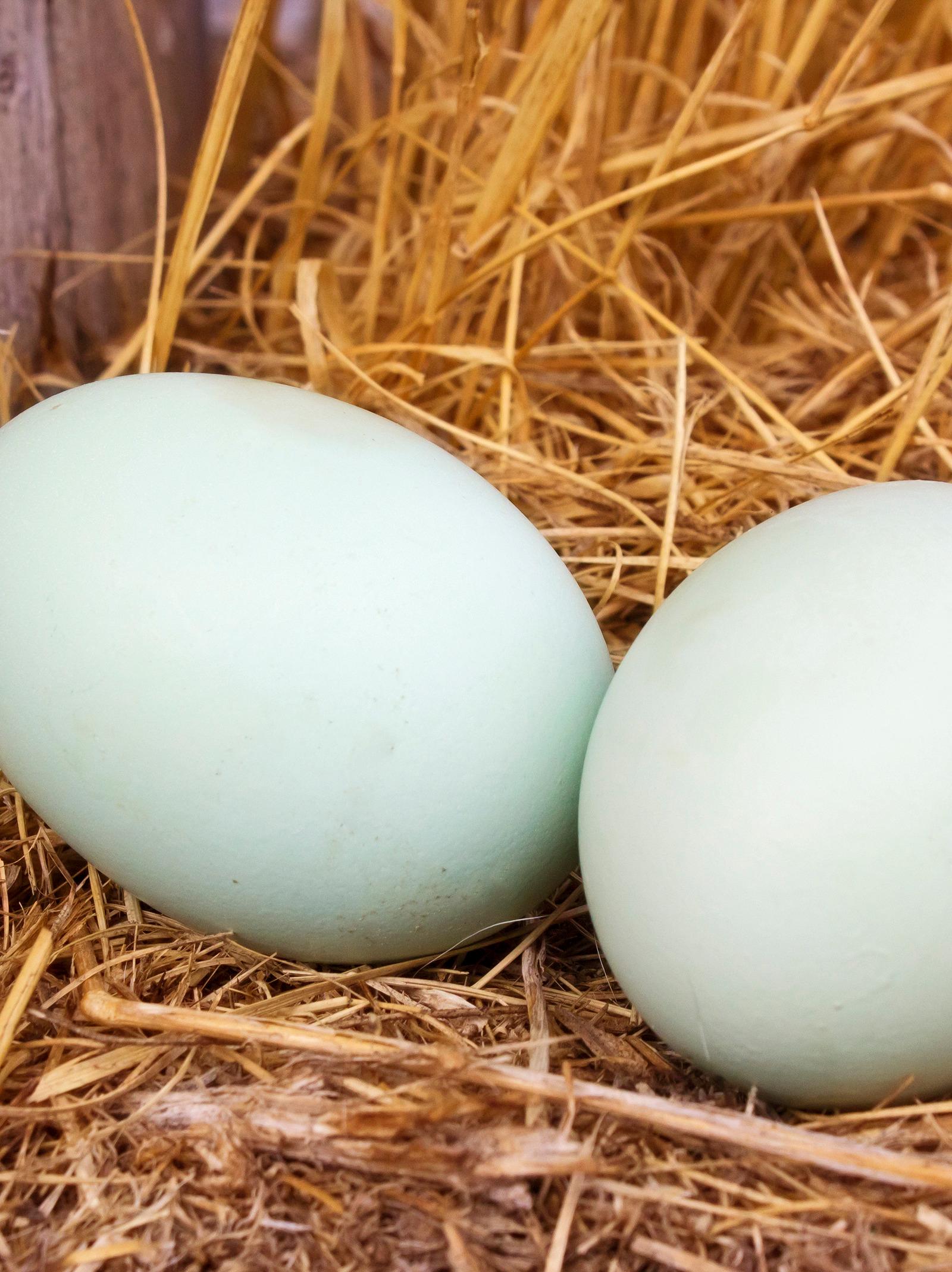
Market stalls along Rue de la Huchette recorded a 30 percent rise in sales of dried lentils and chickpeas during the first half of 2026 compared with the same period last year.
Health authorities note that varied protein choices support muscle maintenance and reduce reliance on single food groups in a district where many residents walk or cycle daily. The trend aligns with broader wellness programs that emphasize steady energy levels without heavy meat intake.
Markets and shops on familiar streets
At the Marché Maubert, open Tuesday, Thursday and Saturday mornings, vendors display bulk bins of black beans priced at 2.80 euros per kilogram alongside fresh eggs from farms outside the city. A short walk away on Boulevard Saint-Michel, the Épicerie Verte stocks vacuum-packed tofu and tempeh that arrived weekly from regional producers. Staff there report steady purchases by office workers grabbing supplies before the evening commute.
The Latin Quarter Community Garden on Rue Soufflot runs a monthly seed swap that includes fava bean and chickpea varieties suited to small balconies. Participants also attend free sessions on sprouting lentils indoors, a practice that adds protein to salads within five days.
Evidence from recent local counts
A June 2026 audit by the Paris Nutrition Network showed that 42 percent of surveyed households in the 5th arrondissement now prepare at least three meat-free meals each week, up from 29 percent in 2024. Average weekly spend on nuts and seeds sits at 6.40 euros per person, according to receipts collected at three central grocers.
Residents can start by adding one cup of cooked beans to existing dishes at dinner or swapping one meat serving for two eggs at breakfast. The next market day offers a simple way to test new combinations without extra travel.