wellness
Montmartre's Fermented Food Scene Transforms Your Gut Health Today
From the cheese caves of the 18th arrondissement to the kombucha brewers tucked behind the Sacré-Cœur, Montmartre's fermented food scene is quietly booming, and your microbiome is the beneficiary.
How we reported this
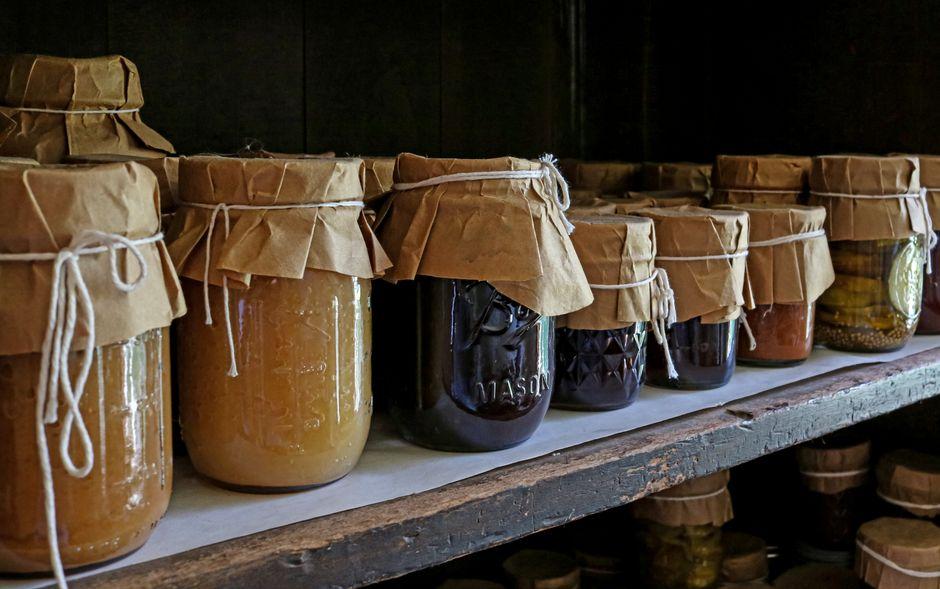
The fermented food market in Montmartre has grown by roughly 34 percent over the past two years, according to figures compiled by the Association des Commerçants de la Butte in June 2026. Vendors selling kimchi, kefir, live-culture yoghurt and naturally fermented pickles now occupy nine dedicated stalls at the Marché de la Rue Lepic alone, up from just three in early 2024. That shift didn't happen by accident.
Interest in gut health has surged across Europe since a wave of peer-reviewed research, including a landmark 2021 Stanford University study published in Cell, demonstrated that a diet high in fermented foods measurably increases microbial diversity in the human gut while simultaneously reducing markers of systemic inflammation. The science is no longer fringe. General practitioners across the 18th arrondissement have started fielding questions about probiotics and fermentation from patients who would once have called it a niche obsession. The conversation has moved out of specialist clinics and into everyday kitchens along the Rue des Abbesses.
Where to Shop on the Butte
The most straightforward entry point is the Marché de la Rue Lepic, open Tuesday through Sunday from 8am. Stall 14, run by a small collective called Les Fermentés de Montmartre, sells house-made sauerkraut (€4.50 per 350g jar), a rotating kimchi aged between one and three weeks, and a water kefir that comes in plain or ginger varieties. Their miso paste, fermented for a minimum of six months, goes for €9 per 200g and sells out most Saturday mornings before noon.
For dairy-based options, Fromagerie Beaumont on the Rue Caulaincourt stocks a raw-milk kefir from a producer in the Auvergne, available in 500ml bottles at €5.80. The shop's owner has been stocking live-culture products since 2019 and expanded the fermented section in January 2026 after consistent demand from regulars. A ten-minute walk down the hill, La Cave Vivante on the Rue du Poteau specialises in naturally fermented vegetables and has begun offering a monthly fermentation workshop priced at €35 per session, covering basic technique for sauerkraut, brine pickles and a simple lacto-fermented hot sauce.
It is worth knowing the difference between truly fermented products and those that merely taste sour. Vinegar-pickled gherkins from a supermarket shelf, for example, contain no live cultures and deliver no probiotic benefit. Look for labels that say fermenté naturellement, non pasteurisé or cultures vivantes. Pasteurisation kills the bacteria that make fermented foods useful in the first place. At the Marché de la Rue Lepic, vendors are generally willing to explain their process, ask whether the product was heat-treated after fermentation.
How Much Do You Actually Need?
Research published in Nature Microbiology in 2023 suggested that consuming as little as two to three servings of fermented foods per day, roughly the equivalent of a 150g bowl of yoghurt, a small portion of kimchi and a glass of kefir, produced measurable changes in gut microbiome composition within four weeks. That is a low bar, and an affordable one. A week's supply of varied fermented foods from the Rue Lepic market can be assembled for under €20.
Doctors at the Cabinet Médical Saint-Pierre on the Place du Tertre routinely advise patients to treat fermented foods as a complement to, not a replacement for, broader dietary habits. Anyone with a compromised immune system or a specific gastrointestinal condition should speak to their GP before significantly increasing fermented food intake; raw, unpasteurised products carry a small but real risk for certain groups.
La Cave Vivante's next fermentation workshop runs on Saturday, 18 July, with registration open through their website as of this week. For those who prefer to start slowly, the Marché de la Rue Lepic on a quiet Tuesday morning is a good place to taste before committing to a jar. The bacteria will keep. The curiosity is the part worth feeding first.