wellness
Screen Time Disrupts Sleep More Than You Think, Research Reveals
Forget the folklore about phones keeping you awake, the science is more complicated, and Montparnasse's wellness community is finally catching up.
How we reported this
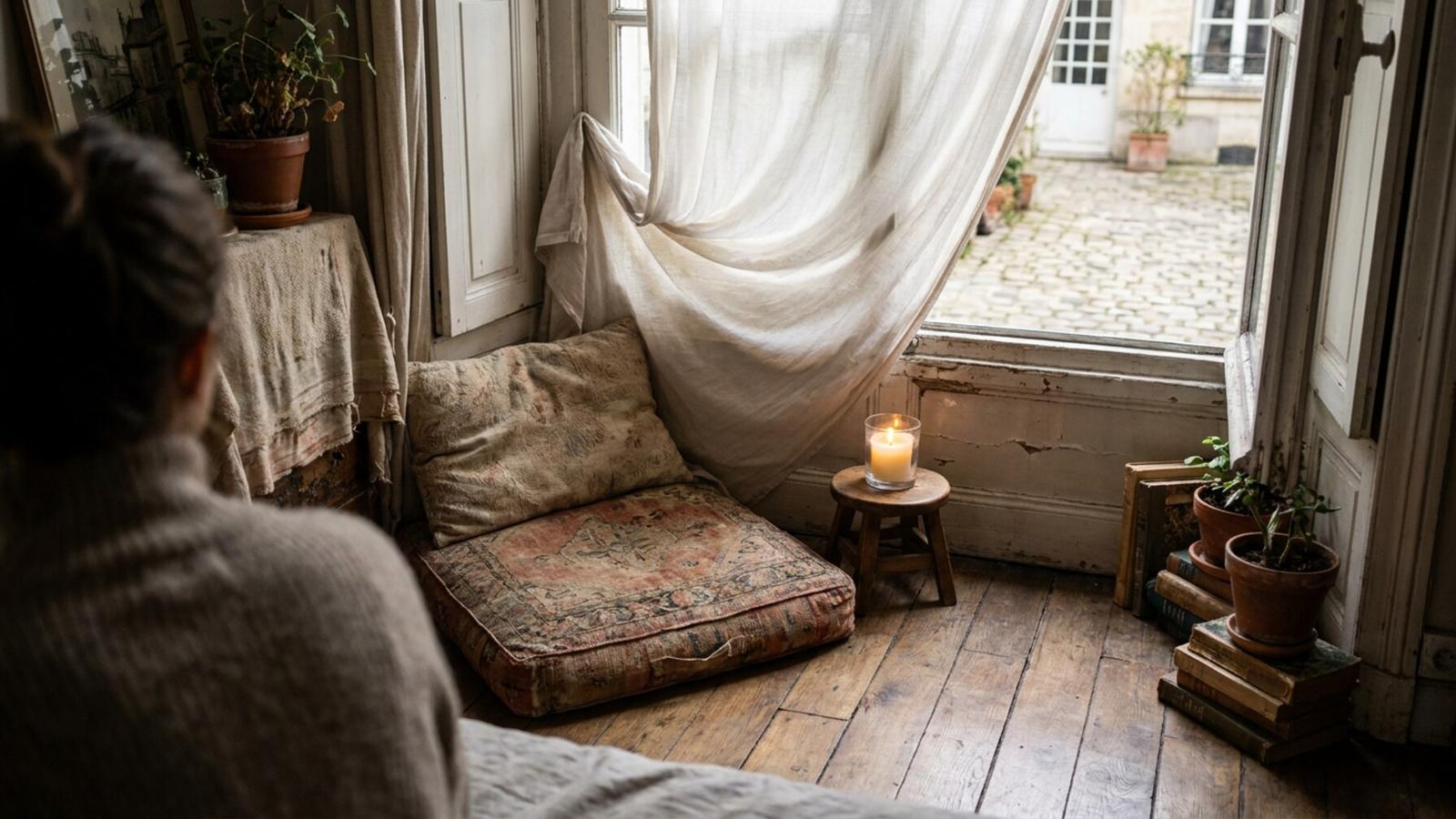
Adults in France are now averaging four hours and twenty-three minutes of recreational screen time per day, according to a 2025 Ipsos survey commissioned by the Agence nationale du numérique. Yet the relationship between those hours and the quality of sleep that follows is far messier than the standard advice, put the phone down by nine, sleep soundly, suggests.
The conversation matters right now because hormone research has exploded in the past eighteen months. Clinics from Lyon to London are fielding questions about melatonin supplements, cortisol cycles, and whether the blue light from a laptop is truly the enemy of a good night's rest. The short answer, drawn from peer-reviewed work published in Sleep Medicine Reviews in March 2026, is this: light wavelength matters less than emotional arousal. Doomscrolling a heated comment thread at midnight is far more disruptive than watching a calm documentary on the same device.
What the Evidence Actually Says
The March 2026 meta-analysis pooled data from 62 separate studies covering 97,000 participants across twelve countries. It found that blue-light filtering glasses and night-mode settings reduced sleep-onset delays by an average of just four minutes, statistically significant but clinically trivial. The participants who slept worst were those engaging with socially stimulating or anxiety-inducing content, regardless of the device's screen colour temperature. Passive viewing, think: slow television, e-reader fiction, ambient video, showed no meaningful difference from reading a paper book in terms of sleep-onset time.
This does not mean screens are harmless. The same study confirmed that total screen exposure after 10 p.m. correlated with a 17-percent reduction in slow-wave sleep, the deepest and most restorative stage. What it scrambles is the neat narrative that the hardware itself is the villain. The content, the context, and the individual's baseline anxiety levels are doing most of the heavy lifting.
What Montparnasse's Wellness Scene Is Doing About It
Walk down the Rue de la Gaîté on a Thursday evening and you will find the Studio Lumière running its Digital Detox & Sleep Reset workshop, six sessions across six weeks, priced at €180 for the full program. The studio launched the course in January 2026 after its practitioners noticed clients citing poor sleep as their primary reason for seeking out yoga and breathwork classes. The curriculum leans heavily on cognitive techniques borrowed from insomnia-specific CBT rather than blanket screen bans.
A few streets north, the Centre de Bien-Être Montparnasse on the Boulevard Edgar Quinet has been embedding what it calls a "screen audit" into its standard intake questionnaire since February. Practitioners there ask not just how long clients are on their devices, but what they are doing and what emotional state they are in when they finally put them down. That granularity, they argue, is what generic public-health messaging keeps missing.
The Bibliothèque du 14e, the local branch library on the Rue d'Alésia, has also posted a small but well-curated reading display this month dedicated to sleep science literature, including the French translation of Matthew Walker's Why We Sleep and a newer 2025 title, Le Sommeil à l'Ère Numérique, by researchers from the Université Paris Cité. Borrowing is free, and the display runs through the end of July.
The practical upshot from the research is not "no screens after dinner." It is more targeted than that. Give yourself thirty minutes of genuinely low-stakes screen activity, a novel on your e-reader, a slow-paced nature documentary, before switching off entirely. Keep your bedroom temperature below 18 degrees Celsius, which sleep physiologists consistently identify as the threshold for optimal core body cooling. And if you are regularly waking unrefreshed despite clocking seven or eight hours, the content of your evening scroll, not the device in your hand, is the most logical first place to look.
Anyone experiencing persistent sleep difficulties should consult a local médecin généraliste or a specialist in sleep medicine before self-treating with melatonin or other supplements. The Montparnasse wellness community can offer tools; a clinical professional can offer a diagnosis.