wellness
Montparnasse Wellness Community Perfects Sleep Environment With Science-Backed Checklist
From blackout curtains to bedroom temperature, Montparnasse's wellness community is getting serious about the room where you spend a third of your life.
How we reported this
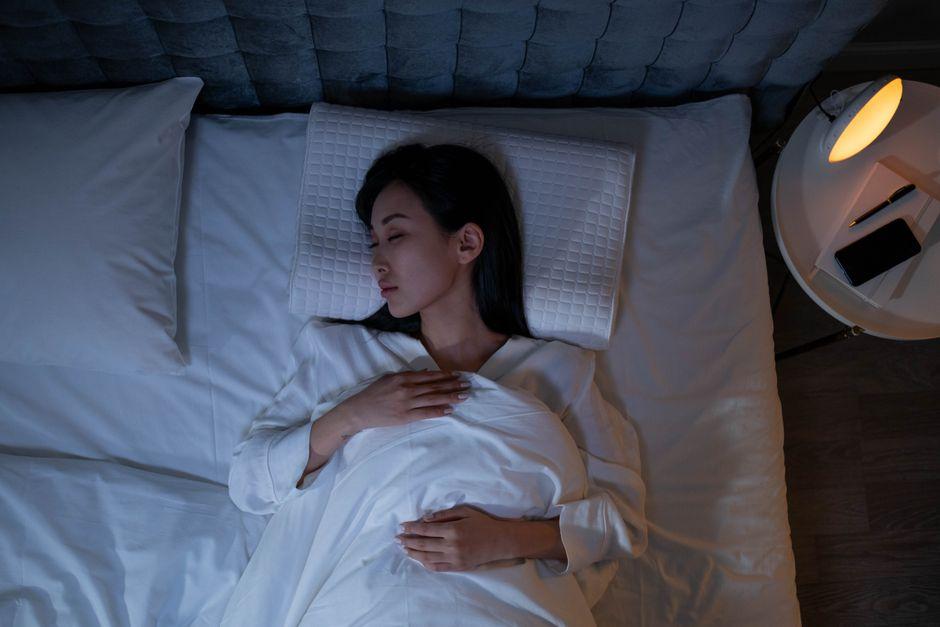
The average adult in France gets 6 hours 42 minutes of sleep per night, well below the 7 to 9 hours recommended by the Institut National du Sommeil et de la Vigilance. In Montparnasse, where the neighbourhood's dense café culture keeps the streets humming past midnight and studio apartments stack residents within metres of each other, that gap between what people get and what their bodies need is a live problem, not a statistic.
Sleep has moved up the wellness agenda hard this year. Hormone health discussions, particularly around melatonin, cortisol, and how circadian rhythms interact with artificial light, have flooded health media and podcast feeds throughout the first half of 2026. The science isn't new, but public appetite for practical, actionable fixes is sharper than it's been in years. The question for most people isn't whether sleep matters; it's what they can actually change by this weekend.
The answer, according to practitioners at Centre de Bien-Être Montparnasse on Rue de la Gaîté and the integrative health collective Atelier Vitalité, operating out of the Pernety neighbourhood since 2019, comes down to the environment long before it comes to supplements or routines. Both spaces have seen a marked increase in clients presenting with chronic fatigue and poor sleep quality since January, and both point to the same cluster of bedroom variables as the first line of intervention.
What the checklist actually covers
Temperature is the non-negotiable. The body needs to drop its core temperature by roughly 1°C to initiate sleep onset, and the sweet spot for a bedroom sits between 16°C and 19°C. In a Montparnasse apartment with south-facing exposure and no cross-ventilation, common in the older Haussmann-era blocks along Boulevard Edgar Quinet, a summer bedroom can sit at 24°C or above by 10 p.m. A basic tower fan from BHV Marais runs around €35 to €50; a smart plug-in thermometer costs €15 at most hardware shops on Rue du Départ. Neither is glamorous. Both matter.
Light is the second lever. Blackout blinds reduce ambient light intrusion, from street lamps, passing cars, the glow of the Tour Montparnasse's illuminated face, by up to 99 percent when fitted properly. Poorly fitted blinds, the kind with a 2-centimetre gap at the side rail, can still allow enough light to suppress melatonin production. Measure before you order. Blue-light filtering on phone screens helps at the margins, but it doesn't substitute for physical darkness in the room.
Sound deserves more attention than it typically gets. A 2022 study published in Sleep Medicine Reviews found that intermittent noise above 40 decibels, roughly the level of a quiet conversation, measurably fragments sleep architecture even in people who report sleeping through it. Rue de la Gaîté on a Thursday night clears 60 decibels with ease. Silicone earplugs from any pharmacie around Place de Catalogne bring that down to manageable levels for around €5 a pack. White noise machines, sold at specialist wellness shops like Harmonie Naturelle near Gaîté Montparnasse, start at €49.
The pillow problem and what to do about it
Bedding is where people spend the most money and get the least return. An expensive mattress on a base with poor slat spacing, less than 6 centimetres between slats, loses much of its pressure-relief benefit. More immediately actionable: pillow loft. Side sleepers need a pillow thick enough to keep the spine neutral; stomach sleepers, ideally, need to stop sleeping on their stomachs. These aren't revelations. They're details that practitioners at Atelier Vitalité say people consistently overlook when they arrive convinced they need a supplement protocol.
The practical starting point is a single evening audit. Walk into your bedroom at the time you usually go to sleep. Note the temperature on a thermometer, stand for 30 seconds and listen, and then lie down and look at what light is reaching the ceiling. Those three observations, temperature, sound, light, will tell you where to direct €30 to €100 before you consider anything else. Anyone with persistent sleep difficulties beyond environmental factors should speak with a médecin généraliste or a specialist at one of the sleep clinics operating through Hôpital Lariboisière, which runs an accredited sleep disorders unit with referrals available through standard French health coverage.