wellness
The Small Habits Building Big Resilience in Saint-Germain-des-Prés
Psychologists say micro-routines practised daily are quietly transforming how Parisians manage stress, and the 6th arrondissement is ahead of the curve.
Listen in English · 4 min
How we reported this
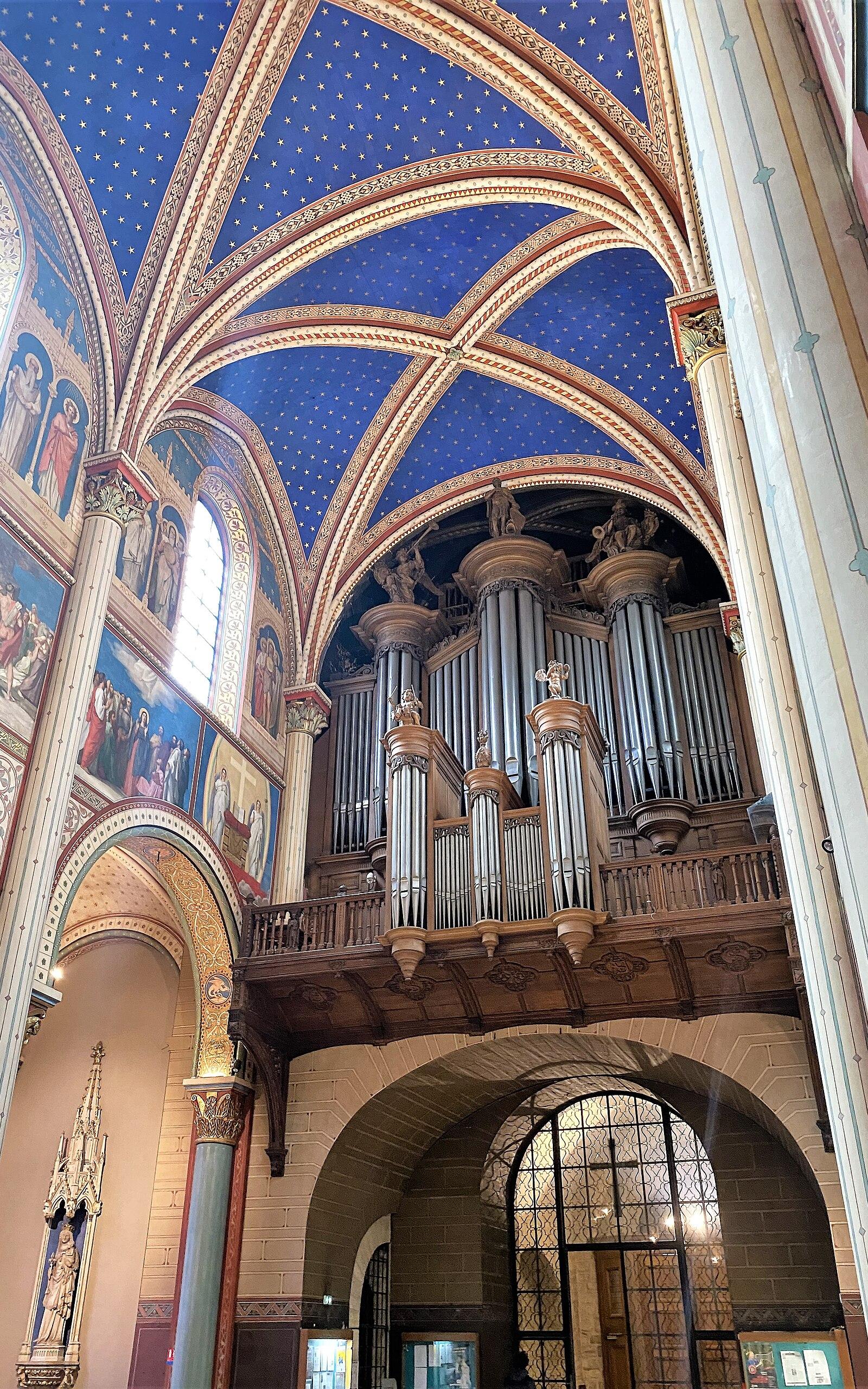
Three minutes of intentional breathing. A ten-minute walk without a phone. Writing two sentences in a paper journal before bed. These are not grand therapeutic interventions. They are the building blocks of psychological resilience, and mental health researchers increasingly argue they matter more than any single weekend retreat or annual detox.
The timing feels sharp. Midway through 2026, French adults are contending with a labour market that rewards constant availability, housing costs in central Paris that have kept the Île-de-France median apartment price above €10,000 per square metre for the third consecutive year, and a news cycle that many describe as relentlessly destabilising. A January 2026 report from Santé publique France found that 41 percent of adults aged 25 to 49 reported significant psychological distress in the preceding month, up from 34 percent in the same survey period in 2023. Burnout is no longer a word reserved for hospital corridors.
What the Research Actually Says
The science is less flashy than the wellness industry around it. A 2024 meta-analysis published in Psychological Medicine, drawing on 57 studies and more than 18,000 participants, found that consistent micro-habits, defined as behaviours taking under 15 minutes and repeated daily, produced measurable reductions in cortisol levels and self-reported anxiety within six weeks. The key variable was not the habit itself but its regularity. Morning cold exposure, evening gratitude writing, lunchtime park walks, all worked roughly equally well when done every day rather than sporadically.
Psychologists distinguish between resilience as a fixed trait, something you either have or you don't, and resilience as a practised skill, more like a muscle than a personality type. The latter framing has gained significant institutional support since the World Health Organization updated its mental health action plan in 2023 to explicitly recommend community-based, low-intensity daily interventions as a first line of population-level support.
Building Habits Along the Boulevard Saint-Germain
Saint-Germain-des-Prés already has infrastructure that fits this model, even if it has not always been labelled as such. The Jardin du Luxembourg, a seven-minute walk from the Place Saint-Sulpice, draws thousands of residents each morning for exactly the kind of purposeful low-intensity movement the research endorses. The garden's 23 hectares include dedicated quiet zones near the western allées that regulars use deliberately, phone in pocket, pace slow, attention outward.
The Centre Méditation Paris, based on the Rue de Sèvres in the 6th, offers a structured eight-week Mindfulness-Based Stress Reduction programme modelled on the protocol developed at the University of Massachusetts. Sessions run €35 per class, with sliding-scale pricing available. The centre reported a 28 percent increase in enrolments between January and June 2026 compared with the same period last year, numbers its staff attribute partly to word of mouth among professional communities in the arrondissement.
The Café de Flore on Boulevard Saint-Germain has, perhaps counterintuitively, become a site practitioners mention. Several therapists working nearby recommend it not for coffee but for the ritual of sitting without a screen for 20 minutes, an exercise in tolerating stillness, which is harder than it sounds for most people who try it seriously for the first time.
Habit stacking is the practical mechanism most clinicians now recommend. Attach the new behaviour to something already fixed in your day. Morning coffee becomes morning coffee plus three minutes of slow breathing. The walk to the Métro Mabillon becomes the walk without headphones. The specificity matters, vague intentions dissolve under pressure, while concrete, location-anchored habits tend to hold.
The advice from practitioners in the neighbourhood converges on the same point: start embarrassingly small. Two minutes, not twenty. One journal sentence, not a page. The goal for the first month is not transformation but repetition. Repetition, done long enough, is where the transformation quietly happens. Anyone seeking personalised guidance should consult a médecin généraliste or a licensed psychologist registered with the Ordre des Psychologues de France before beginning any formal programme.